

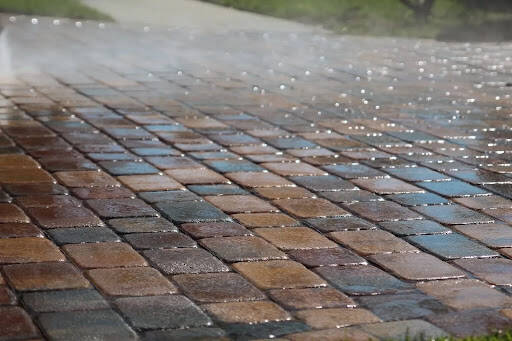
Paver sealing is an essential process for maintaining the beauty and longevity of outdoor surfaces. In Brevard County, Florida, where the climate can be harsh on exterior materials, professional paver sealing services offer a proven solution to protect and enhance the appearance of your pavers. This article explores the importance of paver sealing, the types of sealers available, and the benefits of hiring a dedicated specialist for this work. By understanding the nuances of paver sealing, homeowners can make informed decisions that lead to durable and aesthetically pleasing outdoor spaces
Professional Paver Sealing Services in Melbourne, Florida
Professional paver sealing services are crucial for homeowners looking to preserve the integrity and appearance of their outdoor spaces. In Brevard County, the local climate presents unique challenges, including high humidity, intense UV exposure, and salt air from the coast, which can lead to fading, discoloration, and deterioration of pavers. By working with an experienced paver specialist, homeowners can protect their investment and enhance the overall aesthetic of their properties.
Sealing helps to prevent issues such as weed growth, staining, and erosion of joint sand, which can compromise the structural integrity of the pavers over time. Taking a proactive approach to maintenance is far more cost-effective than dealing with significant damage after the fact.
Types of Sealers: Penetrating vs. Film-Forming
There are two primary types of sealers used in paver sealing:
- Penetrating Sealers: These soak into the pavers, providing protection from within. They are ideal for porous materials and help prevent water damage and staining without significantly altering the appearance of the surface.
- Film-Forming Sealers: These create a protective layer on the surface of the pavers, enhancing color and shine. They can require more maintenance over time, particularly in high-traffic areas. A paver specialist will recommend the right product based on your specific surface type and desired finish.

The Preparation Process: Why It Matters
Proper preparation is the foundation of a long-lasting seal. Rushing this step is one of the most common reasons sealing jobs fail prematurely. A thorough preparation process includes:
- Thorough Surface Cleaning: Pavers must be cleaned to remove dirt, debris, organic growth, and any existing stains so the sealer can adhere properly.
- Sand Stabilization: Joint sand is assessed and replenished where needed. This prevents shifting and erosion after sealing and is critical to a stable, lasting result.
- Even Sealant Application: Once the surface is clean and joint sand is stabilized, commercial-grade sealant is applied evenly across the surface using professional equipment.
How Long Does Paver Sealing Last in Florida?
When properly applied with thorough preparation, paver sealing typically lasts up to 3 years in Florida's climate. High-traffic surfaces like driveways may need resealing closer to the 2-year mark, while patios and walkways with lighter use can often reach 3 to 4 years. Factors that influence longevity include:
- Type of sealer used and quality of application
- Level of foot traffic and vehicle use
- Exposure to UV rays, rain, and salt air
- Ongoing cleaning and maintenance practices
Benefits of Hiring a Paver Sealing Specialist
Working with a dedicated paver specialist—rather than a general pressure washing or exterior cleaning company—makes a meaningful difference in results. Key benefits include:
- Protection Against the Elements: Proper sealing creates a robust barrier against moisture, UV rays, and other environmental factors specific to coastal Florida.
- Enhanced Aesthetics: A fresh seal enhances the color and finish of pavers, making outdoor spaces more inviting.
- Reduced Maintenance: Sealed pavers are easier to clean and maintain, reducing the ongoing effort required to keep outdoor areas looking their best.
- Honest Assessments: A specialist will tell you upfront if your pavers need repair work before sealing can succeed, saving you from paying for a job that won’t hold up.sealing.
Signs Your Pavers Need Sealing
Missing Joint Sand: Visibly absent or washed-away joint sand is a sign that sealing and sand stabilization are overdue.
Keep an eye out for these common indicators that it’s time to reseal:
- Fading Colors: Dull or washed-out paver colors suggest UV damage and a depleted seal.
- Weed Growth: Weeds growing between pavers indicate that joint sand has eroded and the surface is unprotected.
Best Practices for Maintaining Sealed Pavers

To get the most out of your sealed pavers, follow these maintenance guidelines:
- Regular Cleaning: Keep pavers clear of dirt, organic material, and debris to prevent staining and sealant degradation.
- Avoid Harsh Chemicals: Use gentle, paver-safe cleaning solutions that won’t break down the sealant prematurely.
- Periodic Inspections: Check periodically for signs of wear, sand loss, or weed growth so issues can be addressed before they escalate.
How Florida’s Climate Impacts Paver Sealing
Brevard County’s climate is one of the most demanding environments for paver surfaces. High humidity creates conditions where unsealed pavers retain moisture, increasing the risk of mold, mildew, and erosion. Intense UV exposure causes fading and surface breakdown over time. Salt air from the coast accelerates deterioration further, particularly for properties near the beach. These factors make regular sealing with the right products—applied correctly—essential for maintaining both the appearance and structural integrity of paver installations throughout the county.
Paver Sealing and Repair Services Offered
A complete paver sealing service typically includes:
- Surface Cleaning: Thorough cleaning to remove dirt, staining, and organic growth as part of the sealing preparation process.
- Joint Sand Stabilization: Assessment and replenishment of joint sand to create a stable base before sealing.
- Sealant Application: Application of commercial-grade sealer suited to the specific paver type and Florida’s UV and rain cycles.
- Paver Repair and Restoration: Structural repair for sunken, shifted, or damaged pavers that need to be addressed before sealing can succeed, including minor leveling and resetting.
Pricing: Get a Quote Based on Your Pavers
Paver sealing costs vary based on the size of the area, the current condition of the pavers, and whether any repair or restoration work is needed prior to sealing. Rather than offering a one-size-fits-all price, a reputable specialist will inspect your pavers in person and provide a straightforward quote based on what your specific surface actually needs. This approach ensures you’re not paying for unnecessary work—and not receiving a job that cuts corners.for ongoing maintenance.
Why Choose Atlantic Exteriors for Paver Sealing in Brevard County?
Atlantic Exteriors is a Brevard County paver sealing and repair specialist owned and operated by Derek Perreira. Derek is personally involved in every project—from the initial call and inspection through job completion and a 6-month follow-up visit—so homeowners and commercial property owners always know who is accountable for the work on their property.
Atlantic Exteriors focuses exclusively on paver sealing and repair. This is not a pressure washing company that also seals pavers. Every project receives the specialized preparation, materials, and attention that Florida’s conditions demand. With over 15 years of hands-on paver experience along the Brevard County coast, Derek brings deep, practical knowledge of how the local climate, sandy soil, and salt air affect paver surfaces—and how to protect them effectively.
Atlantic Exteriors serves homeowners and commercial property owners throughout Brevard County and into Indian River County, including Palm Bay, Melbourne, Viera, Rockledge, Merritt Island, Cocoa Beach, Satellite Beach, Indialantic, Indian Harbour Beach, and Melbourne Beach.
To schedule a free paver inspection and get a straightforward quote, call or text (321) 574-1140 or visit atlanticexteriorsfl.com.
Conclusion
Your pavers are a significant part of your property’s curb appeal and outdoor living space. In Brevard County’s demanding climate—with its intense sun, heavy rain cycles, and coastal salt air—leaving them unsealed is one of the fastest ways to see that investment deteriorate. Regular professional sealing, done right with proper preparation, keeps pavers protected, looking their best, and structurally sound for years to come.
The difference between a seal that lasts and one that fails within months comes down to preparation and expertise. Working with a dedicated paver specialist who stands behind their work—and follows up to make sure it holds—gives homeowners peace of mind that the job was done correctly the first time. If your pavers are showing signs of wear, fading, or sand loss, now is the right time to act before the damage deepens.
Frequently Asked Questions
How often should I have my pavers sealed in Florida?
Most paver surfaces in Florida benefit from resealing every 2 to 3 years. High-traffic areas like driveways tend to need attention closer to the 2-year mark, while patios and walkways with lighter use can often go 3 to 4 years between applications. The best indicator is the condition of the surface itself—fading color, weed growth, and missing joint sand are all signs it’s time to reseal.
Do my pavers need to be repaired before they can be sealed?
In some cases, yes. If pavers are sunken, shifted, or structurally unstable, sealing over them will not solve the underlying problem and the seal will not perform as expected. A proper inspection will identify whether repair work needs to happen first. An honest specialist will tell you upfront what your surface needs rather than simply applying sealer over a compromised foundation.
Can sealing prevent weeds from growing between my pavers?
Yes, sealing combined with proper sand stabilization significantly reduces weed growth between pavers. The sand fills the joints and the sealer locks it in place, removing the gaps where seeds can take root. While no solution is 100% permanent, a well-sealed surface with stabilized joints is far less hospitable to weeds than an unsealed one.
Will sealing change the look of my pavers?
It depends on the type of sealer used. Penetrating sealers protect from within and have little visible effect on the surface, preserving the natural look of the pavers. Film-forming sealers enhance color and can add a wet or satin sheen. During your inspection, a specialist can walk you through the finish options available and help you choose the right product for your aesthetic preference.
How long after sealing before I can use my driveway or patio?
Curing times vary depending on the sealer used, temperature, and humidity levels, but most sealers require 24 to 48 hours before foot traffic and 48 to 72 hours before vehicle traffic. Your paver specialist will give you specific guidance based on the product applied and the weather conditions at the time of your project.
Add comment
Comments